ADVERTISEMENT
Ultimate Homemade Steak Recipe: A Complete Guide to Cooking the Perfect Steak
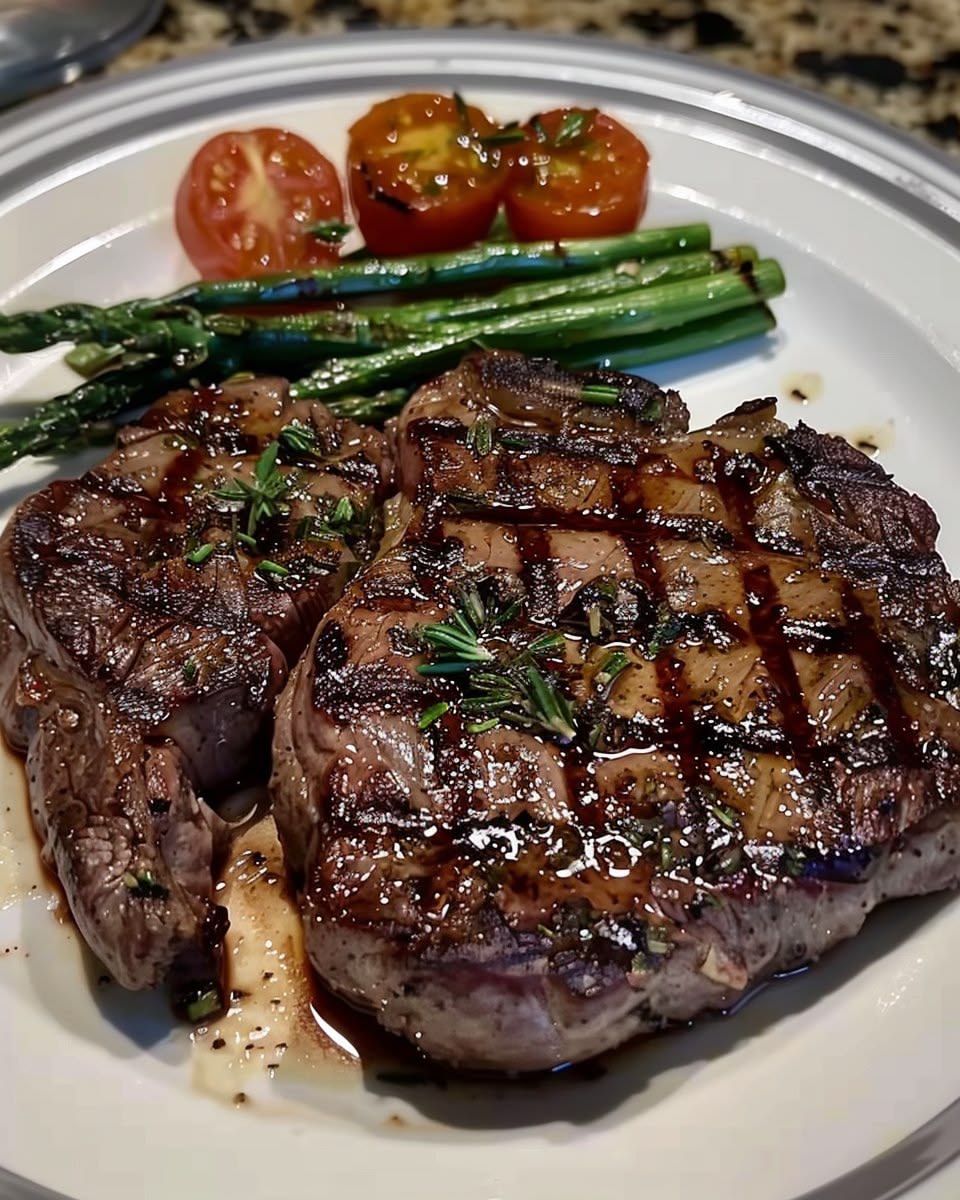
This comprehensive guide will walk you through everything you need to know about preparing a juicy, flavorful steak at home, from selecting the best cut to achieving the perfect doneness.
Why This Steak Recipe Works
A golden-brown crust
A juicy, tender interior
Rich, beefy flavor
Restaurant-quality results
Consistent cooking every time
Ingredients
For the Steak
2 ribeye steaks, New York strip steaks, or sirloin steaks (about 1 inch thick)
2 teaspoons kosher salt
1 teaspoon freshly ground black pepper
1 tablespoon olive oil
For the Garlic Butter
3 tablespoons unsalted butter
3 garlic cloves, crushed
2 sprigs fresh rosemary
2 sprigs fresh thyme
Optional Serving Ingredients
Roasted potatoes
Grilled vegetables
Fresh salad
Mushroom sauce
Peppercorn sauce
Equipment Needed
Cast-iron skillet or heavy frying pan
Tongs
Meat thermometer
Cutting board
Sharp knife
Spoon for basting
Choosing the Right Steak
The quality of your steak begins with selecting the right cut.
Known for its marbling and rich flavor, ribeye is often considered the king of steaks. The fat throughout the meat melts during cooking, creating exceptional tenderness.
This cut offers a wonderful balance of tenderness and beefy flavor. It has less fat than ribeye but still delivers excellent results.
Sirloin is leaner and more affordable while still offering great flavor when cooked properly.
Filet Mignon
Understanding Steak Doneness
Different people enjoy steak cooked to different temperatures.
Medium-rare is generally considered the ideal balance between tenderness and flavor.
Remove the steaks from the refrigerator about 30–45 minutes before cooking.
Allowing the meat to warm slightly promotes more even cooking and helps create a beautiful crust.
Pat the steaks dry thoroughly using paper towels. Moisture prevents browning, so this step is extremely important.
Step 2: Season the Steak
Generously season both sides with kosher salt and black pepper.
The seasoning should be applied evenly over the entire surface, including the edges.
Some chefs season several hours ahead of time and refrigerate uncovered. This dry-brining process helps the steak retain moisture and enhances flavor.
Step 3: Preheat the Pan
Place a cast-iron skillet over high heat.
Allow it to heat for 3–5 minutes until extremely hot.
A properly heated skillet creates the Maillard reaction, which forms the flavorful brown crust.
Add olive oil just before placing the steak into the pan.
Step 4: Sear the Steak
Carefully place the steaks in the hot skillet.
You should hear an immediate sizzling sound.
Do not move the steaks for 2–3 minutes.
This uninterrupted contact allows a deep golden-brown crust to develop.
Flip the steak using tongs.
Cook the second side for another 2–3 minutes.
Step 5: Add Butter and Aromatics
Reduce heat slightly.
Add:
Butter
Garlic
Rosemary
Thyme
As the butter melts, tilt the pan slightly.
Use a spoon to continuously baste the steak with the melted butter.
This technique adds flavor and promotes even cooking.
The garlic and herbs infuse the butter with incredible aroma and richness.
Continue basting for approximately 1–2 minutes.
Step 6: Check Temperature
Use a meat thermometer inserted into the thickest part of the steak.
For medium-rare, remove the steak when it reaches about 130°F (54°C).
Remember that the temperature will continue to rise slightly during resting.
Step 7: Rest the Steak
Transfer the steak to a cutting board or plate.
Allow it to rest for 5–10 minutes.
Resting is one of the most important steps.
During cooking, juices move toward the center of the meat. Resting allows those juices to redistribute throughout the steak.
Cutting immediately causes the juices to run out, resulting in a drier steak.
Step 8: Slice and Serve
Slice the steak against the grain.
Cutting against the grain shortens muscle fibers and makes the steak more tender.
Serve immediately with your favorite side dishes.
Garlic Herb Butter Sauce
For extra flavor, drizzle the remaining garlic herb butter from the skillet over the steak.
You can also create an enhanced butter sauce.
Ingredients
Remaining pan butter
1 tablespoon lemon juice
1 teaspoon Dijon mustard
Instructions
Whisk together over low heat until smooth.
Spoon over the steak before serving.
Perfect Side Dishes
Roasted Potatoes
Crispy roasted potatoes complement steak beautifully.
Season potatoes with:
Olive oil
Salt
Pepper
Garlic powder
Roast at 425°F (220°C) for 35–40 minutes.
Grilled Asparagus
Lightly coat asparagus with olive oil and grill for 5 minutes.
Creamy Mashed Potatoes
Rich mashed potatoes create the ultimate comfort-food pairing.
Fresh Garden Salad
A crisp salad balances the richness of the steak.
Steakhouse Mushroom Topping
Ingredients
8 ounces mushrooms, sliced
1 tablespoon butter
1 garlic clove, minced
Salt and pepper
Method
Cook mushrooms in butter until golden brown.
Add garlic and cook for 1 minute.
Season and serve over steak.
Peppercorn Cream Sauce
Ingredients
1 tablespoon crushed peppercorns
1 tablespoon butter
½ cup heavy cream
Salt to taste
Instructions
Cook peppercorns in butter.
Add cream and simmer until thickened.
Serve warm over steak.
Common Mistakes to Avoid
Cooking Cold Steak
Cold steak cooks unevenly.
Always allow it to sit at room temperature before cooking.
Not Drying the Surface
Moisture creates steam instead of browning.
Pat the steak dry thoroughly.
Using Low Heat
High heat is essential for a proper crust.
Flipping Constantly
Allow the steak to develop a crust before turning.
Skipping the Resting Period
Resting ensures maximum juiciness.
Tips for Restaurant-Quality Steak
Use Cast Iron
Cast iron retains heat exceptionally well.
Choose Thick Steaks
A thicker steak is easier to cook evenly.
Invest in a Thermometer
Guessing often leads to overcooked meat.
Season Generously
Steak requires more salt than many people expect.
Finish with Butter
Butter adds richness and depth of flavor.
Nutritional Information (Approximate Per Serving)
Calories: 550
Protein: 45g
Fat: 40g
Saturated Fat: 16g
Carbohydrates: 2g
Fiber: 0g
Sodium: 650mg
Values vary depending on the cut of steak used.
Storage Instructions
Store leftover steak in an airtight container in the refrigerator for up to 3 days.
To reheat:
Place in a skillet over low heat.
Add a small amount of butter.
Heat gently until warmed through.
Avoid microwaving whenever possible, as it can make steak tough.
Final Thoughts
A perfectly cooked steak is one of the most rewarding meals you can prepare at home. By selecting a quality cut of beef, seasoning it properly, searing it over high heat, basting with garlic herb butter, and allowing it to rest before serving, you can achieve steakhouse-quality results in your own kitchen.
The combination of a crisp, flavorful crust and a juicy, tender center creates an unforgettable dining experience. Pair your steak with roasted potatoes, fresh vegetables, or a rich sauce, and you’ll have a meal worthy of any special occasion. Enjoy every bite of this classic, delicious steak recipe! 🥩✨
ADVERTISEMENT
